
STATEN ISLAND DEVELOPMENTAL LANGUAGE DISORDER THERAPY

As Featured In:








Speech-Language Pathologists we work with Travel to Your Staten Island Home! | Top 1:1 In-Person Private Pay Developmental Language Delay Disorder Therapy in Staten Island | Free Consultation and Meet & Greets With Our team members
Speech-Language Pathologists we work with Travel to Your Staten Island Home! | Top In-Person Private Pay Developmental Language Disorder Therapy in Staten Island | Free Consultation and Meet & Greets With Our team members
We travel to the following Staten Island neighborhoods: Annadale, Arden Heights, Arlington, Arrochar, Bay Terrace, Bloomfield, Brighton Heights, Bulls Head, Castleton Corners, Charleston, Chelsea, Clifton, Concord, Dongan Hills, Egbertville, Elm Park, Eltingville, Emerson Hill, Fort Wadsworth, Graniteville, Grant City, Grasmere, Great Kills, Greenridge, Grymes Hill, Hamilton Park, Heartland Village, Huguenot, Lighthouse Hill, Livingston, Manor Heights, Jefferson, Mariners Harbor, Meiers Corners, Midland Beach, New Brighton, New Dorp, New Springville, Oakwood, Old Place, Old Town, Pleasant Plains, Port Ivory, Port Richmond, Prince’s Bay, Randall Manor, Richmond Valley, Richmondtown, Rosebank, Rossville, Saint George, Sandy Ground, Shore Acres, Silver Lake, South Beach, Stapleton, Stapleton Heights, Sunnyside, Todt Hill, Tompkinsville, Tottenville, Tottenville Beach, Travis, Ward Hill, West New Brighton, Westerleigh, Willowbrook, Woodrow.
Our Speech Language Pathologists and Therapists
We travel to you and we also offer remote services. Some of our speech-language pathologists are trained in the Orton Gillingham approach. Many of our speech-language pathologists are trained in literacy and offer support with decoding, spelling and reading fluency services. Our speech-language pathologists and therapists work with babies, toddlers, school-age students, and adults with expertise in:
Our Speech-Language Pathologists and Therapists
We travel to you and we also offer remote services. Some of our speech-language pathologists are trained in the Orton Gillingham approach. Many of our speech-language pathologists are trained in literacy and offer support with decoding, spelling and reading fluency services. Our speech-language pathologists and therapists work with babies, toddlers, school-age students, and adults with expertise in:
- Pronunciation/Enunciation
- Articulation
- Expressive Language Disorder
- Writing & Speaking Therapy
- Comprehension- Listening & Reading
- Listening Comprehension
- Auditory Processing
- Vocabulary
- Teens – Language Therapy
- Stuttering
- Feeding
- Oral Motor
- Voice
- AAC
- Adult Speech Therapy
- Public Speaking
- Accent Reduction Modification Speech Therapy
Training/Certifications/Organizations


Training/Certifications






Understanding language and using it to express thoughts and feelings are two of the most crucial milestones in a child’s life. While children tend to develop new skills at different paces, most hit these milestones at their expected ages. But when a child’s language skills consistently fall behind his or her peers, it may be due to a developmental language disorder. Learn what is the link between executive functioning and language. Download our What is Executive Functioning Pamphlet!
What is Developmental Language Disorder?
Symptoms and Causes
A developmental language disorder (DLD) refers to problems with language development in young kids that persist even well into their school years and adulthood. It is a brain difference that makes it difficult for children to process and use language, whether in oral or written form. Oral and spoken language skills are a foundational component of literacy development, and language difficulties can significantly impact reading and writing. Learn more about this connection in our perspectives on the relationship between expressive oral language and literacy, where we explore how speech and language issues influence academic success.
Children with a DLD have trouble with their expressive language using words and sentences to express meanings, thoughts, and feelings. They are also likely to struggle with understanding and processing words (receptive language/auditory comprehension) that they hear or read. This is also known as a mixed receptive-expressive language disorder or what researchers call specific language impairment.
The exact causes for a DLD are not entirely known, but research suggests that a DLD is heavily influenced by genetic factors. Struggling with a DLD can negatively impact a child’s social interactions, home life, and school performance. According to DLDandme.org, a DLD affects up to two children in every classroom and is five times more common than autism.
A developmental language disorder can occur even without neurodevelopmental disorders, intellectual disability, or other biomedical conditions. However, children with a DLD are likely to be at-risk for co-occurring conditions like autism, attention deficit hyperactivity disorder (ADHD), motor deficit, reading disorders, speech sound disorders, and social, emotional, and behavioral interventions. Dyslexia is a language-based disorder. But so is developmental language disorder (DLD). Are they the same thing? Learn about the relationship between dyslexia and DLD.
Read SPELLTalk questions and answers about the language literacy network– which represents normal reading and writing processes.
Another condition is Social Communication Pragmatic Disorder (SCPD). Learn more about social communication pragmatic disorder, its symptoms, causes, and strategies parents can use to support their child with this disorder. Strong social communication skills are critical to school success and peer interaction.
Read about Early Childhood Developmental Milestones.

Areas That A Developmental Language Impairment Affects
Children who struggle with a developmental language disorder develop vocabulary and grammar at a much slower pace than their peers. Aside from these, a DLD can also affect other aspects of language at varying degrees, including:
- Phonology or speech sounds – Children who struggle with phonology will have difficulties distinguishing and recognizing speech sounds.
- Syntax (grammar) and morphology – A child may struggle with creating grammatically correct sentences, adding prefixes and suffixes to verbs, and use of proper tenses.
- Semantics or vocabulary – Children with a DLD tend to have reduced vocabulary and struggle to understand that some words have different meanings. Read about Building Vocabulary With Critical Thinking Skills and Comparing Two Established Multimedia Approaches for Teaching Vocabulary to Students with and Without Disabilities. Word finding – Even when a child is familiar with a word, he or she will have trouble accessing or using it (tip of the tongue phenomenon).
- Pragmatics – This refers to social communication, inferencing, and figurative language. Someone who struggles with pragmatics may have trouble using appropriate language (including nonverbal communication) in different social situations and daily interactions. Learn more about social communication disorder.
- Discourse (narrative and conversation) – With a DLD, a child often has trouble telling stories or describing a sequence of events.
- Verbal memory and learning – Remembering words, particularly unfamiliar ones, is difficult for a child with a DLD. A child will also struggle to recall and understand long or complex sentences. These students have reduced working memory, which makes language learning and language growth more difficult for them.

DLD Diagnosis and Tests, and Language Therapy
A child who shows signs of having a developmental language disorder can undergo an assessment by a licensed speech-language pathologist (SLP) either privately or through the school or local school district. The DLD Diagnostics Toolbox is a resource designed to assist speech-language pathologists and other professionals in accurately identifying Developmental Language Disorder. It provides guidance on differential diagnosis, risk factors, and key assessment considerations to ensure precise and consistent identification of DLD in children.
Signs of speech and language issues are often hard to detect, more so in the absence of co-occurring issues such as autism, hearing loss, or genetic conditions like Down syndrome. If a child exhibits the following symptoms, a DLD assessment should be considered.
- Significant language difficulties in relation to one’s age that interfere with communication skills and learning in daily life.
- Persistent language delay that is likely to remain unresolved by age five.
- The language problems are not linked to any known biomedical condition.
During the evaluation process, the evaluating speech-language pathologist will assess the child’s interest in communicating. Some licensed speech-language pathologists specialize in early childhood development while others work with preschool and school age population. The clinician will observe how understandable the child’s expressive language is as well as his or her ability to understand words and sentences. A typical evaluation consists of the following steps:
- Interviewing the child’s parents, caregiver, and teacher to document the child’s family, health, and academic history. The clinician will ask about their own concerns and observations of the child’s strengths and weaknesses when communicating.
- Observing the child during conversation or storytelling and noting pronunciation problems, finding the right words, building grammatically correct sentences, and other relevant information.
- Taking a series of standardized tests to compare the child’s speech, language, and overall communication with expected levels for his or her age.
Management and Treatment for Children
A developmental language disorder is a lifelong condition that cannot be cured. However, with the help of a licensed speech-language pathologist, a child can learn strategies and techniques to manage the condition.
After a child is diagnosed with a DLD, the licensed speech-language pathologist will conduct further analysis and observations before creating an individualized program. The methods and strategies can vary from child to child, depending on their strengths and weaknesses. Eliciting, modeling, and scaffolding target linguistic features through specific modalities, e.g., expressive, listening, reading, and writing, is how a licensed language therapists/pathologists model, teach, and reinforce aspects of language that need addressing, such as sounds, vocabulary, grammatical structures, and social use. To support language growth and literacy skills, tools like Membean, Flocabulary, InferCabulary, Scribo, and ReadWorks offer engaging, tailored approaches that strengthen vocabulary and writing through interactive videos, personalized exercises, AI feedback, and visual learning aids for K-12 students.
Membean provides personalized, differentiated vocabulary instruction for grades 6+. It uses spaced learning instead of blocked learning, focuses on retrieval practices over encoding, and prioritizes higher-order thinking over simple memorization to achieve lasting outcomes.
Flocabulary is an educational platform that uses engaging hip-hop videos and standards-aligned, video-based lessons to support vocabulary acquisition and language comprehension across various K-12 subjects.
InferCabulary is a visual vocabulary tool that uses images and contextual clues to help K-12 students build word comprehension and critical thinking skills through an evidence-based, inductive approach to learning.
Scribo empowers students to improve their writing skills by providing real-time, personalized feedback that guides them through the writing process. Using advanced AI, Scribo helps students identify areas to strengthen, like grammar, structure, and clarity, while also offering suggestions to enhance their expression. Designed to simplify learning, Scribo encourages students to engage more deeply with their writing, building confidence and helping them grow as writers across all levels.
The Interactive Vocabulary Activities in ReadWorks, developed with Wordsmyth, provide a dynamic and engaging approach for students to deepen their understanding of essential vocabulary. Students interact with vocabulary in multiple reinforcing ways by exploring sound-spelling patterns, parts of speech in context, and word meanings within word families and networks. The ungraded and self-correcting activities foster a pressure-free environment that encourages exploration and repeated exposure.
In younger children, language interventions and language therapy are typically interwoven into natural communication, such as conversation and play! For older children, interventions are typically embedded in the school curriculum or literacy activities. It is also essential to have parents and teachers involved in the process, as learning must happen outside of the language therapy sessions! Progress depends on meeting consistent treatment goals. Read about the validity of an online oral narrative task (2023 study). The assessment task was developed to monitor children’s oral language progress in their first year at school as part of the Better Start Literacy Approach for early literacy teaching.
Listen to this podcast by Dorothy Bishop, Professor of Developmental Neuropsychology, about developmental language disorder (history, advocacy, terminology, co-morbidities, and so much more!), including its impact on multilingual children, and the challenges of communication difficulties in diverse language environments.
Here are some helpful links if you want to know more about developmental language disorders:
- Raising Awareness of Developmental Language Disorder (RADLD)– Helpful resources that explain what a DLD is, its impact, and how to help raise awareness on the condition.
- RADLD Youtube Channel
- The Universal Indicators of Developmental Language Disorders: A Checklist for SLPs– The Universal Indicators of DLD Checklist.
- Language Disorders in Children and Adolescents, by Dr. Joseph Beitchman and Dr. E.B. Brownlie, report that approximately 50% of language-based learning challenges go undiagnosed.
Abstracts
- A 200-Year History of the Study of Childhood Language Disorders of Unknown Origin: Changes in Terminology by Laurence B. Leonard
- Clinical Lessons From Studies of Children With Specific Language Impairment by Mabel L. Rice
- Children’s Language Disorders: What’s in a Name? by Rhea Paul
- Considering the Language Disorder Label Debate From a School Speech-Language Pathology Lens by Kimberly A. Murza and Barbara J. Ehren
Staten Island Letters’ new chatbot (hosted on their parent company Brooklyn Letters’ website) offers quick, evidence-based answers to your developmental pediatric speech and language questions. It helps you make informed decisions without the hassle of sifting through extensive information online. It’s an excellent resource for parents, SLPs, psychologists, and other professionals seeking concise guidance on speech and language development, including understanding the crucial difference between chronological and linguistic age, speech sound acquisition, and language milestones.


MEET THE STATEN ISLAND SPEECH AND LANGUAGE THERAPISTS AND PATHOLOGISTS WE WORK WITH WHO TRAVEL TO YOUR HOME
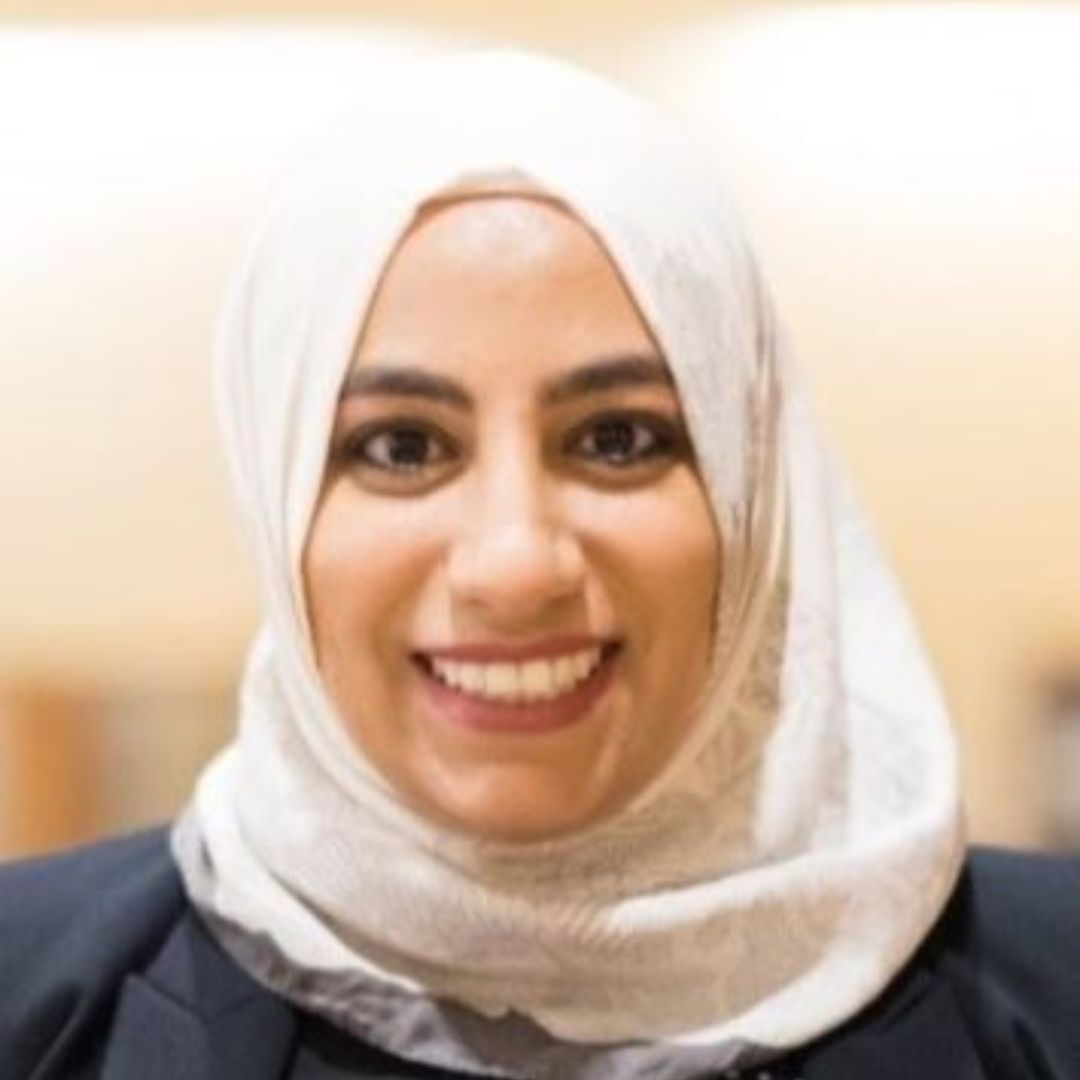
Sarah
M.S., CCC-SLP, SPEECH LANGUAGE PATHOLOGIST, NEW YORK STATE LICENSED CLINICIAN
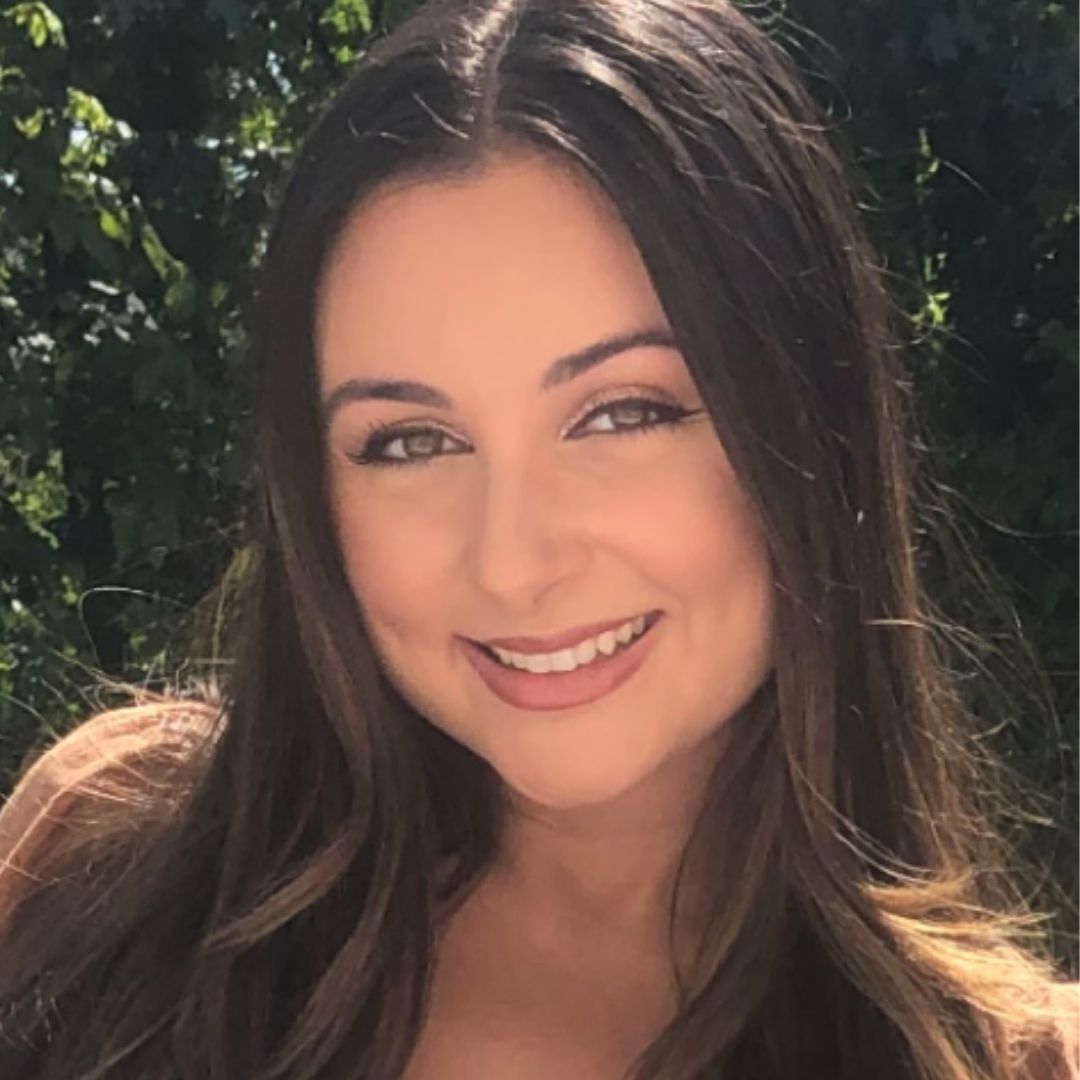
Amanda
M.S., CCC-SLP, TSSLD, SPEECH-LANGUAGE PATHOLOGIST
FREE CONSULTATION!!!
Call: (347) 394-3485,
Text: (917) 426-8880
Email: statenisland@brooklynletters.com
(we respond to email right away!)