
STATEN ISLAND CENTRAL AUDITORY PROCESSING DISORDER THERAPY

As Featured In:








Speech Therapists Travel to Your Staten Island Home! | Top In-Person Private Pay Central Auditory Processing Disorder Therapy in Staten Island | Free Consultation and Meet & Greets With Our team of professionals
Speech Therapists Travel to Your Staten Island Home! | Top In-Person Private Pay Central Auditory Processing Disorder Therapy in Staten Island | Free Consultation and Meet & Greets With Our team of professionals
We travel to the following Staten Island neighborhoods: Annadale, Arden Heights, Arlington, Arrochar, Bay Terrace, Bloomfield, Brighton Heights, Bulls Head, Castleton Corners, Charleston, Chelsea, Clifton, Concord, Dongan Hills, Egbertville, Elm Park, Eltingville, Emerson Hill, Fort Wadsworth, Graniteville, Grant City, Grasmere, Great Kills, Greenridge, Grymes Hill, Hamilton Park, Heartland Village, Huguenot, Lighthouse Hill, Livingston, Manor Heights, Jefferson, Mariners Harbor, Meiers Corners, Midland Beach, New Brighton, New Dorp, New Springville, Oakwood, Old Place, Old Town, Pleasant Plains, Port Ivory, Port Richmond, Prince’s Bay, Randall Manor, Richmond Valley, Richmondtown, Rosebank, Rossville, Saint George, Sandy Ground, Shore Acres, Silver Lake, South Beach, Stapleton, Stapleton Heights, Sunnyside, Todt Hill, Tompkinsville, Tottenville, Tottenville Beach, Travis, Ward Hill, West New Brighton, Westerleigh, Willowbrook, Woodrow.
Our Speech-Language Pathologists and Therapists
We travel to you and we also offer remote services. Some of our speech-language pathologists are trained in the Orton Gillingham approach. Many of our speech-language pathologists are trained in literacy and offer support with decoding, spelling and reading fluency services. Our speech-language pathologists and therapists work with babies, toddlers, school-age students, and adults with expertise in:
- Pronunciation/Enunciation
- Articulation
- Expressive Language Disorder
- Writing & Speaking Therapy
- Comprehension- Listening & Reading
- Listening Comprehension
- Auditory Processing
- Vocabulary
- Teens – Language Therapy
- Stuttering
- Feeding
- Oral Motor
- Voice
- AAC
- Adult Speech Therapy
- Public Speaking
- Accent Reduction Modification Speech Therapy
Training/Certifications


Training/Certifications







Central auditory processing disorder (CAPD), also known as auditory processing disorder, refers to difficulties in processing speech or taking in verbal information when presented with noise. The brain fails to assign the correct meaning to the words an individual hears and does not identify the subtle differences in them. The condition is not related to hearing problems or intelligence. However, it may coexist and overlap with other disorders such as ADHD, language disorders, and learning disability.
Children with CAPD typically struggle to remember—or remember correctly—what they hear. Information expressed orally, such as when receiving instructions or directions, are often missed or misunderstood. What’s confusing is that CAPD is a different disorder than an expressive-receptive language disorder or also known as a developmental language disorder. Many of these symptoms overlap and can easily be misdiagnosed even among professionals. To learn more, read this article by the American Speech Hearing Association. In a nutshell, it takes the brain’s auditory cortex at least seven years to mature. CAPD testing should not be performed before a child turns seven years of age and should not occur in isolation. CAPD testing assessed by audiologists should be part of language and attentional testing performed by psychologists and speech language pathologists. Otherwise, you will not know the full scope of why your child is having difficulties processing sounds or words.
For a person with CAPD, struggling with one or more of the four basic skills of auditory processing can include:
- Auditory discrimination – This refers to one’s ability to notice, compare, and distinguish distinct and different sounds. A child with CAPD will often have trouble rhyming, mix up similar sounds, or drop syllables.
- Figure-ground discrimination – Identifying and focusing on important sounds in a noisy environment. Someone with CAPD will have difficulty filtering information from background noise. For example, a student with CAPD will find it hard to focus on the teacher’s instructions amid classroom chatter.
- Auditory memory – The ability to store and recall what one hears, either immediately (short-term) or in the future (long-term). A child with weak auditory memory will struggle with remembering lyrics, rhymes, recitation, and recalling information.
- Auditory sequencing – This refers to one’s ability to understand and recall the order of sounds and words. If a child lacks auditory sequencing skills, he or she may mix up numbers with the same digits (53 and 35), switch the sounds in words (saying anletope instead of antelope), and struggle to remember instructions in sequence.
Read about Listening Milestones and Questions Answering and Asking Milestones.

Signs and Symptoms of CAPD
When a child shows signs of listening difficulties, it does not automatically mean he or she has a central auditory processing disorder. Vice versa, one can have problems with listening and not have CAPD. Here are some signs and symptoms of CAPD that may help you determine if you should consult with an expert.
- Difficulty localizing sound or identifying where the sound is coming from
- Struggles to understand and focus on speech when there are multiple speakers, in noisy settings, or when presented rapidly
- Has trouble following a series of spoken commands or multistep directions
- Unable to pick up or follow song lyrics or nursery rhymes
- Always asks for others to repeat themselves and often say “huh?” or “what?”
- Easily distracted by background noise or sudden sounds
- Takes longer to respond during conversations or answer questions
- Struggles with reading and spelling
- Has trouble comprehending or following speech when presented rapidly
- Responds incorrectly to questions
- Misunderstanding messages, not “getting” jokes or sarcasm
- Difficulty learning a new language
- Unable to remember details of what was just heard
While these symptoms may indicate an auditory processing disorder, it should be noted that some of these signs can also indicate other conditions. These symptoms overlap with ADHD or other language or learning disorders. Seeking the help of experts early on is crucial to determine the real cause of the problem. Otherwise these symptoms can not be ruled-in or out during a multidisciplinary assessment.

How to Treat Central Auditory Processing Disorder
Assessing and treating CAPD requires a multidisciplinary team, but diagnosis can only be made by an audiologist. During the evaluation, the audiologist measures the child’s specific auditory processing functions. This is done through a series of tests in a sound-treated room. The child will then be asked to listen to various signals and respond to them. A child must be at least 7 or 8 years old to ensure that they are mature enough to understand and take the test.
Together with an audiologist, a speech-language pathologist (SLP) should be part of the diagnosis by conducting complete speech and language assessments of the child. An SLP can also help determine the precise nature of the disorder and its implications. Psychologists also play an important part, as well, to rule out any attentional or learning difficulties which play a part in auditory or listening skills.
Once a diagnosis has been made, an SLP is the best professional to carry out the intervention. Speech-language pathologists can give explicit training and develop strategies to help the child identify, remember, and sequence sounds. The goals of therapy are to:
- improve the child’s auditory processing abilities
- provide the child with compensatory strategies to facilitate his/her listening to speech
- modify the learning environment, e.g., working with the school and parent.
Read about Early Childhood Developmental Milestones.
In many instances, central auditory processing disorder is confused with receptive language disorder and listening difficulties. This is due to the overlap and similarities of some of their signs and symptoms. Early receptive language development is characterized, for example, by how well children follow directions, answer questions, and understand words. Delays in early receptive language development are characterized by the child relying on visual information to process spoken words, e.g. parents points to the garbage can and the child understands that the point means to place the tissue in the garbage. To know more about receptive language disorder, please click here.
At Brooklyn Letters, several of licensed speech-language pathologists are trained in CAPD intervention. We asked Ewa, a speech-language pathologist we work with, about auditory processing listening programs. She is a highly experienced CAPD expert. Here is what she had to say: “Integrated Listening System program is based on and similar to auditory integration therapy and the Tomatis method. However, there has been a lack of consensus regarding its efficacy. This is also true for auditory integration therapy.”
How Science and Evidence Won Out Against Auditory Integration Therapies
There is also Therapeutic Listening, which is done by occupational therapists. I know this is geared for children and targeted for greater sensory-motor integration. The idea of these therapies is listening to music that has been filtered or modified to increase attention, self-regulation, communication, etc.
SLPs can provide auditory therapy to increase speech sound perception. I have done this to increase speech perception in children with auditory processing disorders. I have also incorporated different types of noise at varying volumes to increase the child’s ability to ignore the noise and attend to the spoken information in order to better understand, integrate, and respond appropriately. Audiologists who specialize in auditory processing disorders may also do auditory therapy in a soundproof booth for speech sound perception.
Assessing and treating CAPD requires a multidisciplinary team, but diagnosis can only be made by an audiologist. During the evaluation, the audiologist measures the child’s specific auditory processing functions. This is done through a series of tests in a sound-treated room. The child will then be asked to listen to various signals and respond to them. A child must be at least seven or eight years old to ensure that they are mature enough to understand and take the test.
Together with an audiologist, a speech-language pathologist (SLP) should be part of the diagnosis by conducting complete speech and language assessments of the child. An SLP can also help determine the precise nature of the disorder and its implications. Psychologists also play an important part, as well, to rule out any attentional or learning difficulties which play a part in auditory or listening skills.
Once a diagnosis has been made, an SLP is the best professional to carry out the intervention. Speech-language pathologists can give explicit training and develop strategies to help the child identify, remember, and sequence sounds. The goals of therapy are to:
Here are some additional resources:
- The Gold Standard and Auditory Processing Disorder, Vermiglio, 2018
- Characteristics of APD, a Systematic Review, de Witt, 2018
- Using Different Criteria to Diagnose CAPD- How Big a Difference Does It Make?, Wilson, 2013
- Review of the Two Major Models of CAPD and Issues
- APD and Auditory Language Interventions, evidence based systematic review (Fey, 2011)
- Regarding Fey’s Article Above: Letters to Editor: Auditory Training for Children with APD and Language Efficacy of Auditory Interventions for APD
- LSHSS, July 2011, The Entire Volume Discusses CAPD
- APD: Update for SLP, DeBonis & Moncrieff, 2008
- See the Article for an Excellent Overview of CAPD vs Language Issues. Weblink to Download (FREE)
- YouTube Video with Oxford Style Debate on CAPD
MEET THE STATEN ISLAND SPEECH LANGUAGE THERAPISTS AND PATHOLOGISTS WHO TRAVEL TO YOUR HOME
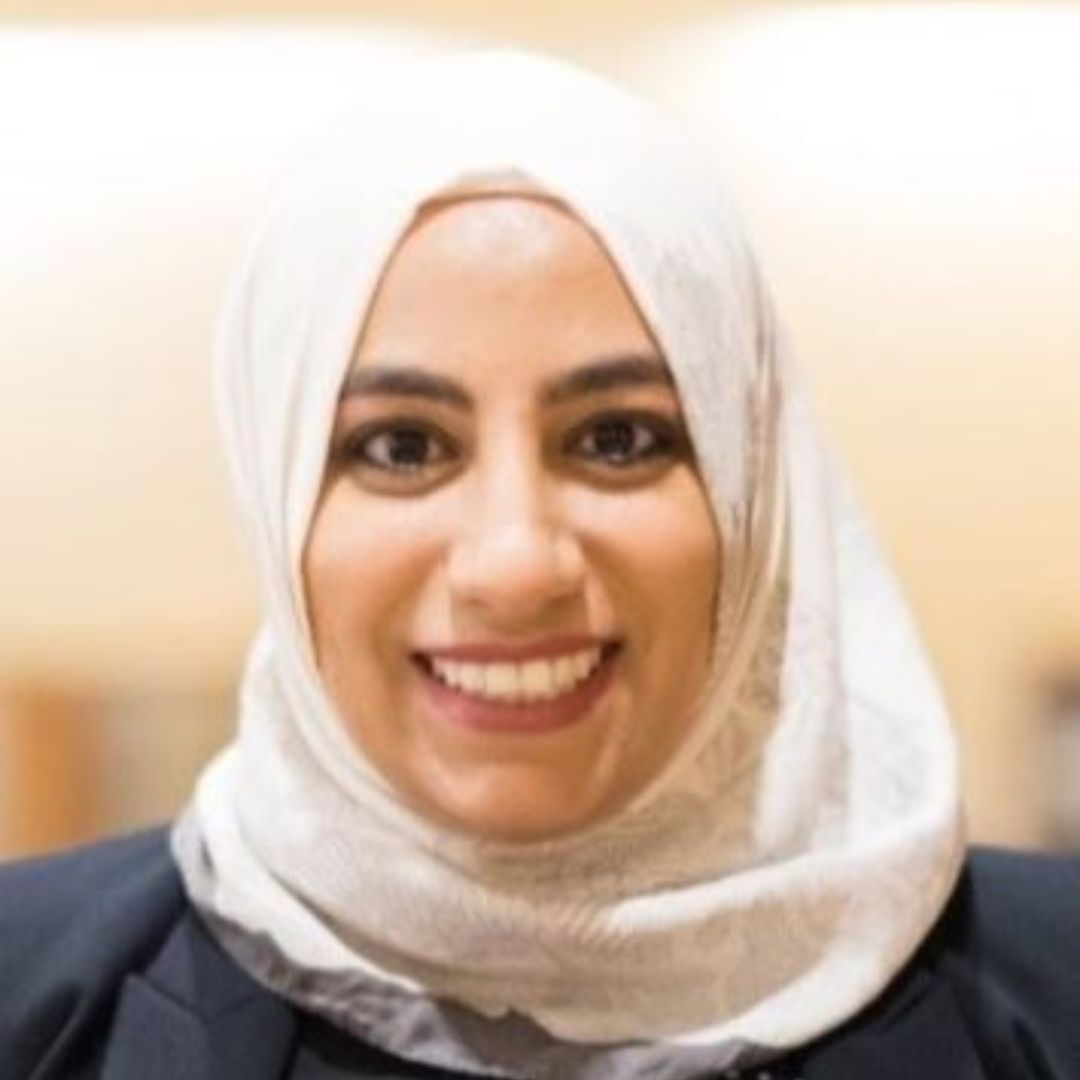
Sarah
M.S., CCC-SLP, SPEECH LANGUAGE PATHOLOGIST, NEW YORK STATE LICENSED CLINICIAN
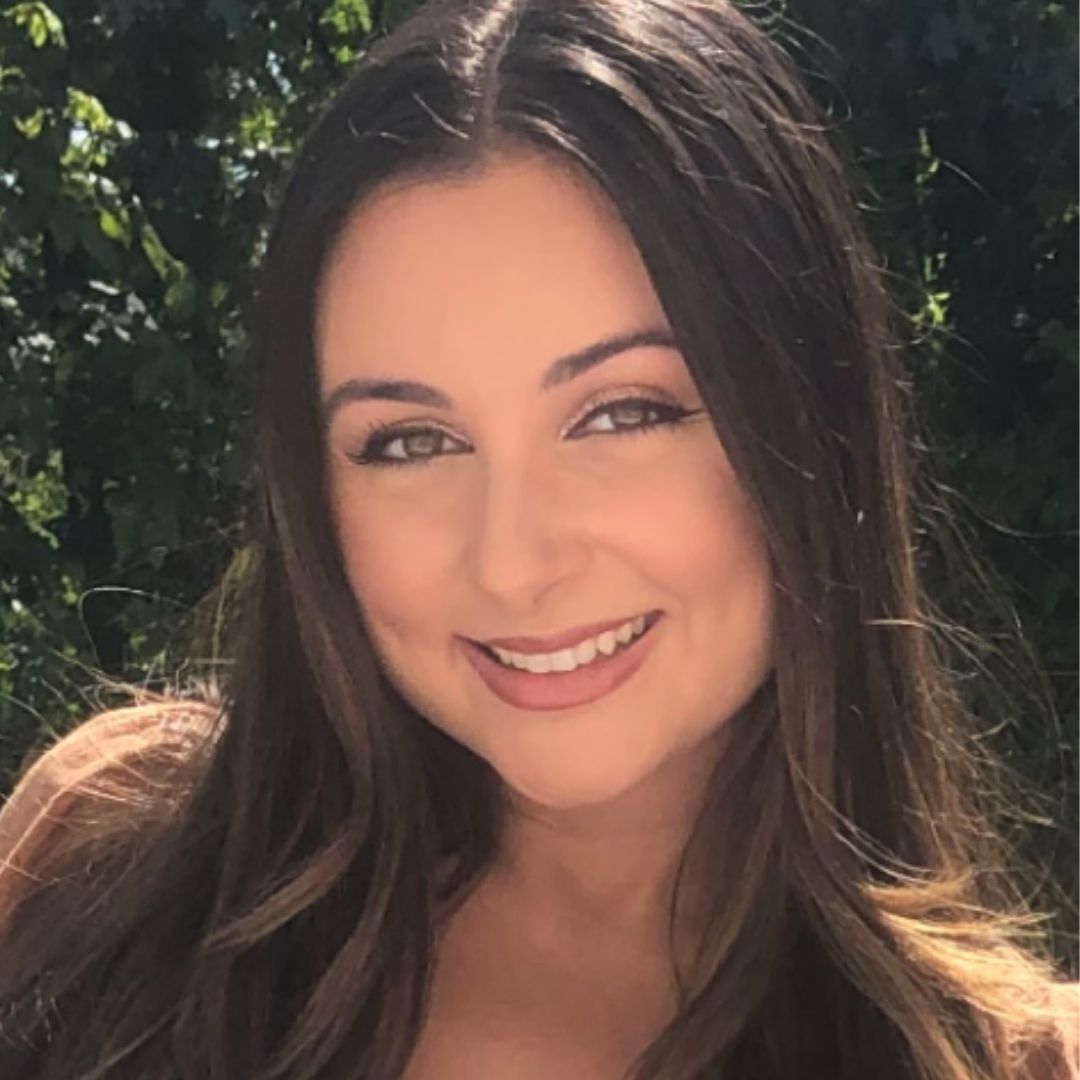
Amanda
M.S., CCC-SLP, TSSLD, SPEECH-LANGUAGE PATHOLOGIST
FREE CONSULTATION!!!
Call: (347) 394-3485,
Text: (917) 426-8880
Email: statenisland@brooklynletters.com
(we respond to email right away!)